

C&D - 7 signs it may be time to review your pet’s diet
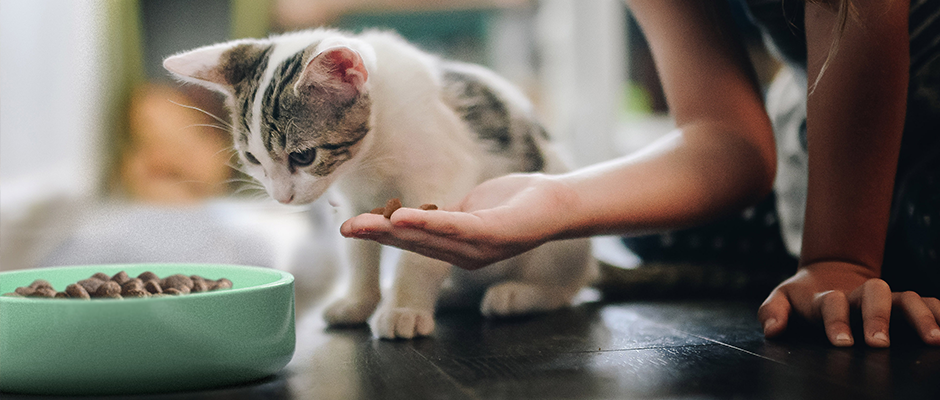
7 signs it may be time to review your pet’s diet
What works perfectly for your pet today may not necessarily remain the right choice throughout their entire life. Discover 7 signs that could indicate it’s time to take another look at your dog or cat’s diet, from weight and energy levels to digestion.
When should you consider changing your pet’s food?
Your dog or cat may have been eating the same food for years and doing perfectly well on it. So why would you change anything?
You don’t have to, just for the sake of it.
But your pet changes throughout their life. They get older, may become more or less active, gain or lose weight, and their preferences, digestion or other needs can change too.
That’s why it’s worth checking from time to time whether their current food is still the right fit.
These 7 signs may be a reason to take another look:
1. Your pet enters a new life stage
Een puppy of kitten in volle groei heeft andere voedingsbehoeften dan een volwassen dier. Tijdens de groei zijn onder andere voldoende energie, eiwitten, vitaminen en mineralen belangrijk voor de ontwikkeling.
Ook wanneer je hond of kat ouder wordt, kunnen zijn behoeften veranderen. Senioren bewegen bijvoorbeeld vaak minder dan vroeger, waardoor ook hun energiebehoefte kan veranderen.
Een nieuwe levensfase betekent niet dat je automatisch van voeding moet veranderen. Het is wel een logisch moment om opnieuw te bekijken of de huidige voeding nog aansluit.
Wat enkele jaren geleden perfect paste, hoeft vandaag niet meer dezelfde keuze te zijn.
2. Their weight changes
Have you noticed your dog or cat gradually gaining weight? Or are they losing weight even though you haven’t deliberately changed anything? Then it’s worth looking at the bigger picture.
The amount of food you give is only one part of it. The energy content of the food, treats, exercise, age and lifestyle all play a role.
Sometimes adjusting the daily portion may be enough. In other cases, a food with a different nutritional composition may be better suited to your pet’s current needs.
A change on the scales can therefore be a good reason to review their diet too.
3. Their skin or coat changes
The condition of your pet’s skin and coat can be influenced by several factors, including diet.
Protein, essential fatty acids, vitamins and minerals all contribute to maintaining healthy skin and a healthy coat.
If your pet’s coat becomes duller or you notice a change in the condition of their skin or coat, it can be useful to take another look at their current food.
That does not automatically mean their diet is the cause. But such changes can be a good reason to check whether their food still matches their needs.
4. Their digestion remains sensitive
An occasional bout of softer stools or a rumbling stomach can happen. But if your pet regularly experiences digestive upset, it’s worth looking at what may be contributing to it.
Food can play a role. Not every dog or cat responds equally well to the same ingredients or recipe.
Sometimes a different formulation or another protein source may be a better fit for your pet.
Recurring digestive changes are therefore a good reason to review their current food.
5. You notice noticeably more stools
The amount of stool your pet produces can also tell you something about how well their food suits them.
It isn’t only about how much you feed. The composition and digestibility of the food also affect how much the body can use and how much is ultimately passed as waste.
The most useful comparison is with what is normal for your own dog or cat. A clear change from their usual pattern often tells you more than a single observation.
A noticeable increase in stool volume can therefore be another reason to take a closer look at their current food.
6. Your pet has less energy
Does your dog get tired more quickly during walks? Do they play for less time than they used to? Or does your cat seem less active than usual?
Changes in energy levels can have many different causes. Age, activity levels, physical condition and health can all play a part. Their diet and the amount of energy it provides are also part of the bigger picture.
It’s therefore best to compare your pet’s behaviour with what is normal for them.
If you notice a change in their activity levels, it may be a good time to check whether their current food still suits their life stage and needs.
7. Your pet is less enthusiastic about their food
Not every dog or cat gets excited about every meal. Some pets are simply more selective than others.
What matters more is a change in their eating behaviour.
Has your dog suddenly started leaving food in their bowl more often? Or does your cat walk away from a meal they used to eat without hesitation? Then it’s worth considering what may have changed.
Taste and texture can play a role, but your pet’s needs and eating habits can also change over time.
What your pet enjoyed eating in the past does not necessarily have to remain their favourite forever.
When should you pay extra attention?
The signs above can be a reason to review your pet’s diet, but they do not automatically mean that their food is the cause.
If you notice a sudden, significant or persistent change in your pet’s weight, appetite, digestion, energy levels, skin or behaviour, it is also advisable to consult your veterinarian.
One sign doesn’t tell the whole story
Recognise one or more of these signs? That doesn’t automatically mean your pet’s current food is wrong or that you need to make an immediate change. Always look at the bigger picture.
Has your pet entered a new life stage? Are they more or less active? Has their weight changed? Have you noticed any other changes? And how are they doing overall on their current food?
Sometimes a change simply means adjusting the amount of the same food. Sometimes a different recipe may be more suitable. And sometimes nothing needs to change at all.
The goal isn’t to change your pet’s food simply for the sake of changing it. It’s about checking from time to time whether their diet still matches what they need.
When is there no need to change?
Is your dog or cat doing well on their current food? Are they at a healthy weight, with good energy levels and normal digestion? Do they enjoy their food, and does it still suit their life stage and needs?
Then there may be no reason to switch.
A new food is not automatically a better food. Ultimately, what matters is that your pet’s food is high-quality and suits their individual needs.
How can you tell if your pet’s current food is still suitable?
Not sure? Start by asking yourself these questions:
• What does my pet currently eat?
• How much do they eat each day?
• What life stage are they in?
• How active are they?
• Has their weight changed?
• How is their digestion?
• Do they enjoy their food?
• What changes have I noticed, and when did they start?
Looking at all of this information together gives you a much clearer picture than focusing on one sign alone.
Because every pet is different. And so is the right food.
Still have questions?
Are you wondering whether your dog or cat’s current food is still the right fit?
Tell us what your pet currently eats, how old and active they are, and what you’ve noticed. We’ll listen to your story and help you determine whether their current food still suits their needs.
Our in-store pet experts are ready to help you at your nearest location – or get in touch for more info and tailored advice!