


C&D - Help! My puppy has diarrhea. Causes, tips & solutions

Help! My puppy has diarrhea
Having a puppy in the house is wonderful, but when your little four-legged friend suddenly gets diarrhea, it can be quite alarming. In this blog, you’ll read about the most common causes and what you, as an owner, can do to help your pup.
My puppy has diarrhea. Causes, tips & solutions for dog owners
Fortunately, diarrhea in puppies is quite common, and in most cases the cause is harmless. Still, there are situations in which you need to be extra alert.
1. Why does my puppy have diarrhea?
Puppies can get diarrhea for many different reasons. Their intestines are sensitive and still developing, which makes them react more quickly to triggers that might not affect an adult dog at all.
Possible causes:
- Sudden change in food
- Stress
- Parasites such as worms or giardia
- Viral or bacterial infection
- Eating something inappropriate
- Intolerance or allergy
- Teething (4–5 months)
2. Sudden change in food
A puppy’s digestive system is still very sensitive. A quick switch in food or lower-quality nutrition can easily cause diarrhea. That’s why it’s best to choose natural food that’s rich in animal proteins and contains easily digestible carbohydrates such as sweet potato instead of grains.
Another rule of thumb: the fresher the meat, the easier it is to digest. After all, a dog’s digestive system is designed to process fresh meat.
3. Eating something inappropriate
Puppies explore the world with their mouths — and that can sometimes go wrong. In the garden or during a walk, they may pick up spoiled food, trash, toxic plants, or even feces.
Also watch out for horse manure: if a horse has recently been dewormed or vaccinated, there can be residues in it that your puppy may react poorly to.
4. Stress
Stress or tension can literally affect the digestive system. Think of moving house, new sounds, hectic situations, or even a first puppy training class. All of these can cause diarrhea.
5. Parasites
Parasites such as worms or giardia are common in young dogs. Do you suspect this? Always consult your veterinarian. Proper and timely treatment is very important.
5. Infections & bacteria
Puppies are extra vulnerable to viral and bacterial infections. These can also cause diarrhea and should be checked by a veterinarian as soon as possible.
6. Allergies or intolerances
Some puppies react sensitively to certain nutrients. This may only become noticeable over time. By avoiding certain ingredients and testing others, you can find out what your puppy does and doesn’t tolerate.
Puppies can also experience temporary digestive issues while teething (usually around 4–5 months old).
How do you help your puppy’s digestive system recover?
✔ Repairing the intestinal lining
A damaged intestinal lining can be supported with natural products.
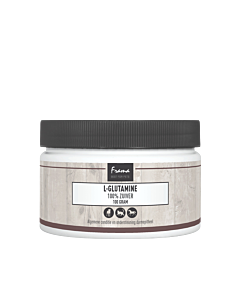
L-glutamine is an example of a supplement that can help soothe and repair an irritated or injured gut lining.
✔ Probiotics for balance
After a parasitic infection or a course of antibiotics, the gut flora is often out of balance. Probiotics help rebuild healthy bacteria in the intestines.
✔ Psyllium husk
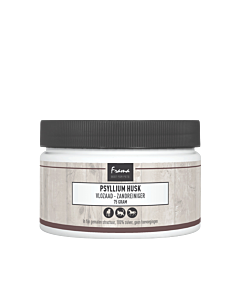
Has your puppy had diarrhea several times already? Psyllium husk can offer quick relief. It absorbs moisture in the last part of the intestines, helping the stool become firmer.
This is important because firm stool also helps empty the anal glands naturally. With ongoing diarrhea, this doesn’t happen, which can lead to inflammation.
When should you see the veterinarian?
Always contact a veterinarian if:
- the diarrhea lasts longer than 24 hours,
- there is blood in the stool,
- your puppy is lethargic or refuses to eat,
- he is vomiting a lot,
- you suspect he has eaten something toxic.
- Puppies dehydrate more quickly than adult dogs, so acting in time is crucial.
In conclusion
Diarrhea in puppies is unpleasant, but fortunately it’s usually easy to resolve. By paying close attention to food, stress, parasites, and other triggers, you can help your puppy feel better quickly. Not sure what’s going on? Don’t hesitate to contact your veterinarian.
Do you have any further questions about this subject?
Our in-store pet experts are ready to help you at your nearest location – or get in touch for more info and tailored advice!