


C&D - A radiant smile for your dog or cat
A radiant smile for your dog or cat
We all know that clean and healthy teeth are important. A fresh, clean mouth prevents bad odors and plays a crucial role in overall health. The same applies to dogs and cats. Poor dental care or inadequate oral hygiene can lead to a range of health issues.
Good dental care is essential for the health of both dogs and cats. Yet its importance is often underestimated. This is striking, as approximately 80% of dogs develop dental problems from the age of two to three.
In cats, the figures are even higher: up to 70% of adult cats suffer from gum disease, oral inflammation and/or tooth resorption. Because pets are very good at hiding pain, these problems are often only noticed at a late stage.
How do dental problems develop in dogs and cats?
Dental plaque is a soft, sticky layer of bacteria that continuously forms on the teeth of dogs and cats. These bacteria adhere to food particles and saliva and remain attached to the tooth surface.
If plaque is not removed in time, it can harden into tartar. Tartar irritates the gums and can lead to gum inflammation and even jaw infections, resulting in pain, bad breath and further health problems.
Chewing helps reduce plaque — but not all chewing is equally effective
Chewing plays an important role in daily dental care, but not all chewing materials are equally effective. The material, structure and duration of chewing determine how efficiently plaque is removed.
Most effective are:
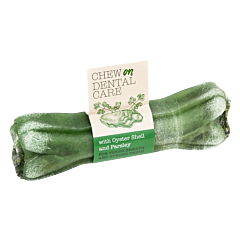
- Dental chew sticks with ridges or grooves
- Specially formulated dental kibble
- Safe chew toys such as rope
These provide more and longer contact with the tooth surfaces, especially the back molars, where plaque tends to build up most quickly.
Chewing does more than just reduce plaque
Chewing not only benefits dental health but also contributes to your pet’s overall well-being.
- It stimulates saliva production, helping to wash away bacteria
- It massages the gums and promotes healthy blood circulation
- It supports mental relaxation and stress reduction
A true win-win for both body and mind.
Play and dental care combined
Playtime can also contribute to good dental health. Chewing on rope toys helps clean teeth in a playful way. The fibrous material has a mild abrasive effect while simultaneously massaging the gums. This way, dental care and enjoyment go hand in hand.
Dental care for dogs
In dogs, plaque mainly forms due to food residues and bacteria sticking to the teeth. Without proper care, this can develop into tartar, leading to inflamed gums and pain.
Fortunately, good oral hygiene does not have to be complicated. Chew products, appropriate nutrition and tooth brushing, whether combined or not, can make a significant difference.
Every dog’s mouth is different. Small dog breeds are often more prone to dental problems than larger breeds. Therefore, dental care should be adapted to:
- Size
- Age
- Chewing behaviour
Tailored care contributes to a healthier mouth.
Dental care for cats
Dental problems are also very common in cats. Up to 70% of adult cats experience gum disease, oral inflammation or tooth resorption. Because cats hide pain well, the signs are often subtle.
Although cats chew less intensively than dogs, specialised kibble, snacks, gels, powders and water additives can help support oral health. With patience and gradual training, tooth brushing in cats is also possible.
What is tooth resorption?
Tooth resorption (FORL) is a common and painful condition in cats in which the tooth structure is broken down from the inside and replaced by bone. The tooth gradually dissolves, often starting at the root.
This condition is difficult to detect visually and is usually diagnosed through dental X-rays. Treatment often involves removing the affected tooth to stop pain and inflammation.
Watch for signs of dental problems
Not all dental issues are immediately visible. Be alert to signs such as:
- Bad breath
- Red or bleeding gums
- Reduced appetite
- Chewing on one side
The earlier these signs are recognised, the sooner and more effectively your pet can be helped.
Tip: have your pet’s teeth checked regularly
Even with good daily care, regular dental check-ups by a veterinarian are essential. These allow tartar, inflammation or loose teeth to be detected early. Early intervention helps prevent pain and more serious problems later on.
A healthy mouth means better quality of life
A clean mouth not only ensures fresh breath but also contributes to the overall well-being of both dogs and cats. Less pain, more comfort and increased energy all lead to a better quality of life.
With the right care, products and regular check-ups, you give your pet the best foundation for a healthy and comfortable life.
Checklist: how to keep your dog’s and cat’s teeth healthy
Daily or regularly
- Provide appropriate chewing materials
- Ensure chewing moments with sufficient duration and structure
- Brush teeth when possible
- Use supportive products if needed
Watch for signs
- Bad breath
- Changes in eating behaviour
- Sensitive or red gums
Preventive care
- Adapt dental care to size, age and chewing behaviour
- Schedule regular veterinary dental check-ups
A consistent approach ensures a healthier mouth and a better quality of life.
Do you have any further questions about this subject?
Our in-store pet experts are ready to help you at your nearest location – or get in touch for more info and tailored advice!